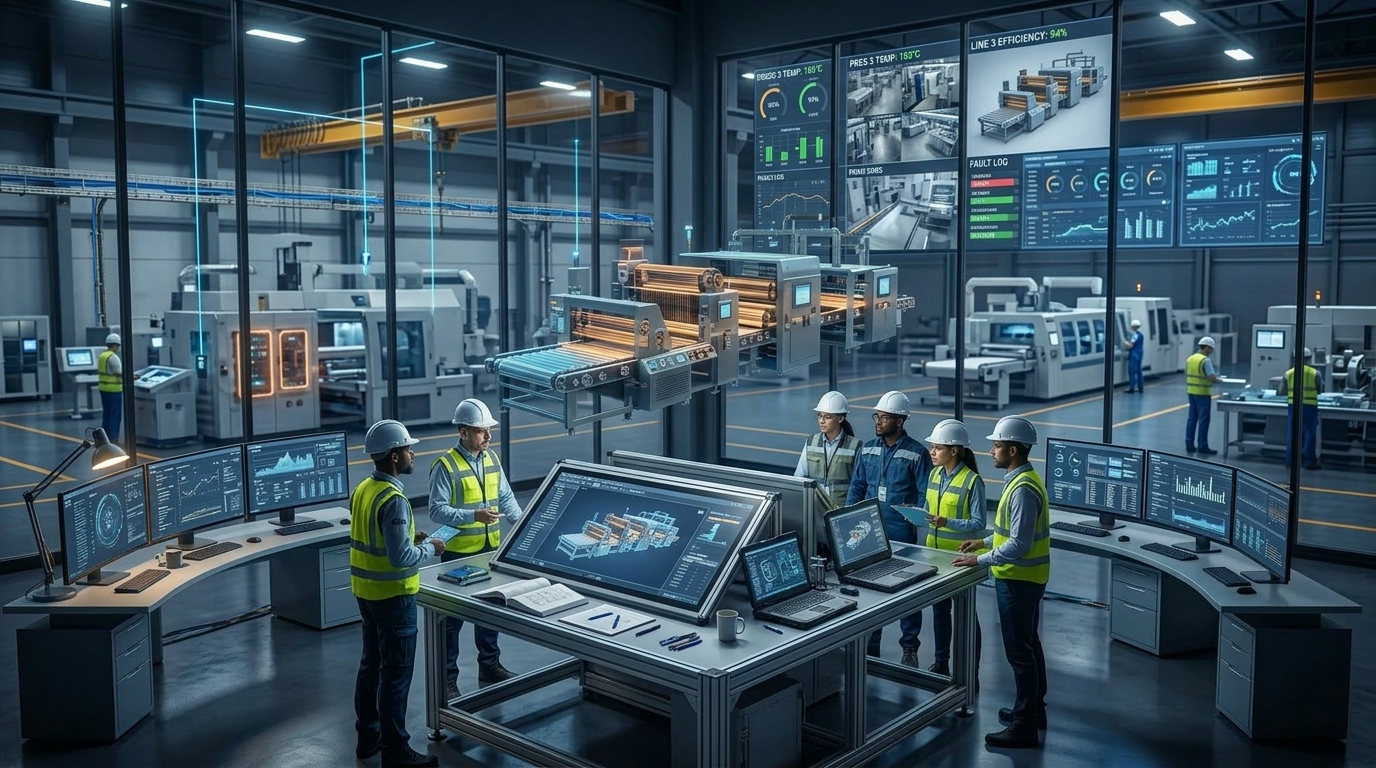
Digital Twin Technology creates virtual replicas of physical assets. These digital models mirror real-world objects in real-time. Businesses use them to optimize operations and predict failures.
The technology has matured significantly by 2026. Advanced sensors and AI drive unprecedented accuracy levels. Industries worldwide are experiencing transformational benefits from implementation.
Digital Twin Technology represents a fundamental shift in management. Physical and digital worlds merge into unified systems. This convergence unlocks insights previously impossible to obtain.
Understanding Digital Twin Technology
Digital Twin Technology creates precise virtual copies of physical entities. These models update continuously with real-time data streams. Sensors feed information to maintain perfect synchronization.
The digital replica behaves exactly like its physical counterpart. Engineers can simulate scenarios without risking actual assets. This capability revolutionizes testing and optimization processes.
Digital twins exist for individual components or entire systems. A single turbine blade or a complete factory can be modeled. Scale flexibility makes the technology universally applicable.
How Digital Twin Technology Works
IoT sensors collect data from physical assets continuously. Temperature, pressure, vibration, and performance metrics stream to cloud platforms. This data feeds the digital twin model.
Advanced algorithms process incoming information in real-time. Machine learning models identify patterns and predict future states. The virtual twin evolves as conditions change.
Visualization platforms display the digital twin to users. Interactive dashboards show current status and historical trends. Operators make informed decisions based on comprehensive insights.
Key Components of Digital Twin Systems
Physical assets form the foundation of every system. Sensors embedded in equipment capture operational data constantly. Quality sensors ensure an accurate digital representation.
Connectivity infrastructure transmits data from assets to platforms. 5G networks and edge computing enable real-time synchronization. Low latency is critical for time-sensitive applications.
Cloud platforms host the digital twin models and analytics. Powerful computing resources run complex simulations quickly. Scalable infrastructure accommodates growing data volumes seamlessly.
Industries Revolutionized by Digital Twin Technology
Manufacturing leads Digital Twin Technology adoption globally. Production lines optimize themselves based on real-time performance data. Predictive maintenance prevents costly unplanned downtime.
Healthcare uses digital twins for personalized patient treatment. Virtual organs help doctors plan complex surgeries safely. Drug development accelerates through simulated human body responses.
Smart cities deploy Digital Twin Technology for urban planning. Traffic flow, energy consumption, and infrastructure performance are optimized. City managers test policies virtually before real-world implementation.
Benefits for Manufacturing Operations
Production efficiency increases by 20-35% with digital twins. Bottlenecks are identified and eliminated through simulation. Optimal configurations are discovered without disrupting actual operations.
Quality control improves dramatically through predictive analytics. Defects are detected before they occur in production. This reduces waste and improves customer satisfaction significantly.
Energy consumption drops as systems operate at peak efficiency. Digital twins identify wasteful processes and suggest improvements. Sustainability goals become achievable through data-driven optimization.
Predictive Maintenance Advantages
Equipment failures are predicted days or weeks in advance. Maintenance schedules align with actual component wear patterns. This eliminates both premature and delayed servicing.
Unplanned downtime decreases by up to 50% with implementation. Critical systems receive attention before catastrophic failures occur. Production schedules remain stable and reliable.
Maintenance costs reduce while the asset lifespan extends significantly. Parts are replaced only when truly necessary. Inventory management becomes more efficient and cost-effective.
Digital Twin Technology in Healthcare
Patient-specific digital twins enable personalized medicine approaches. Treatment plans are tested virtually before actual application. Doctors predict how individual patients will respond.
Surgical planning reaches new levels of precision and safety. Complex procedures are rehearsed on digital twin models. Surgeons identify potential complications before entering operating rooms.
Medical device development accelerates with virtual testing platforms. Prototypes are refined through thousands of simulated scenarios. FDA approval processes become faster and more thorough.
Smart City Applications
Traffic management systems optimize flow using real-time digital twins. Congestion is predicted and prevented through signal adjustments. Commute times decrease while fuel consumption drops.
Energy grids balance supply and demand with perfect precision. Digital twins simulate weather impacts on renewable sources. Grid stability improves while integrating more sustainable energy.
Infrastructure maintenance becomes proactive rather than reactive. Bridges, roads, and utilities are monitored constantly. Repairs happen before failures disrupt citizens’ daily lives.
Implementation Challenges and Solutions
Initial setup costs can be substantial for organizations. Hardware, software, and integration expenses add up quickly. However, ROI typically appears within 12-24 months.
Data quality issues undermine digital twin accuracy significantly. Sensor calibration and validation protocols are essential. Regular audits ensure models reflect reality precisely.
Legacy system integration poses technical challenges for many companies. APIs and middleware solutions bridge old and new technologies. Phased implementation approaches minimize disruption during transitions.
Data Security and Privacy Concerns
Digital twins contain sensitive operational and competitive information. Cybersecurity measures must protect against unauthorized access attempts. Encryption and access controls are essential.
Real-time data transmission creates potential vulnerability points. Secure communication protocols prevent interception and tampering. Regular security audits identify and address weaknesses.
Privacy regulations apply when digital twins involve personal data. GDPR compliance is mandatory for European operations. Healthcare applications require HIPAA-compliant infrastructure and processes.
AI and Machine Learning Integration
Artificial intelligence powers predictive capabilities in digital twins. Machine learning models improve accuracy through continuous learning. Predictions become more reliable over time automatically.
Anomaly detection algorithms identify unusual patterns instantly. Subtle changes that humans miss are flagged immediately. Early warnings prevent minor issues from becoming major problems.
Optimization algorithms suggest improvements to operational parameters automatically. Digital twins run countless simulations to find optimal configurations. Human operators receive actionable recommendations daily.
ROI and Business Value
Digital Twin Technology delivers measurable financial returns quickly. Most implementations achieve positive ROI within two years. Long-term value accumulates through continuous optimization.
Operational expenses decrease by 15-30% on average. Energy savings, maintenance reduction, and efficiency gains combine powerfully. Bottom-line impact justifies initial investment costs.
Revenue opportunities emerge from improved product quality. Customer satisfaction increases with more reliable products. Premium pricing becomes possible for superior performance.
Building Your Digital Twin Strategy
Start with a clear business case and objectives. Identify specific problems that digital twins can solve. Focused pilots demonstrate value before large-scale deployment.
Select appropriate assets for initial digital twin creation. High-value or critical equipment provides the best ROI. Success stories from pilots build organizational support.
Partner with experienced technology providers and consultants. Digital Twin Technology expertise accelerates implementation significantly. Avoid costly mistakes through proven methodologies.
Technology Stack Considerations
Choose cloud platforms that support massive data volumes. Azure Digital Twins, AWS IoT, and Google Cloud offerings provide robust infrastructure. Evaluate based on existing technology ecosystems.
Simulation software must match your industry requirements. Specialized tools exist for manufacturing, healthcare, and infrastructure. Generic platforms may lack necessary domain-specific features.
Integration middleware connects diverse systems and data sources. APIs enable communication between legacy and modern systems. Flexible architecture accommodates future technology additions.
Future Trends in Digital Twin Technology
Autonomous digital twins will self-optimize without human intervention. AI agents will manage operations independently within defined parameters. Human oversight shifts from operation to strategy.
Blockchain integration will ensure data integrity and trust. Immutable records prove digital twin accuracy for compliance. Supply chain digital twins will share verified information.
Metaverse integration will create immersive digital twin experiences. Engineers will walk through virtual factories wearing VR headsets. Collaborative problem-solving will happen in shared virtual spaces.
Conclusion
Digital Twin Technology transforms how industries operate in 2026. Virtual replicas enable optimization impossible with physical assets alone. Early adopters gain substantial competitive advantages.
Success requires strategic planning and a proper implementation approach. Technology alone doesn’t guarantee results without clear objectives. Focus on solving real business problems effectively.
Begin your Digital Twin Technology journey with pilot projects. Prove value in controlled environments before expanding broadly. The future belongs to organizations that bridge physical and digital worlds.